Case Study
Jumunona: Building A Connected Food And Grocery Delivery Platform
A connected delivery platform that brings customers, merchants and riders together through one practical ordering experience.
- 6 MonthsDelivery Timeline
- 10 MembersProject Team
- 4 InterfacesConnected Platforms

Project Overview
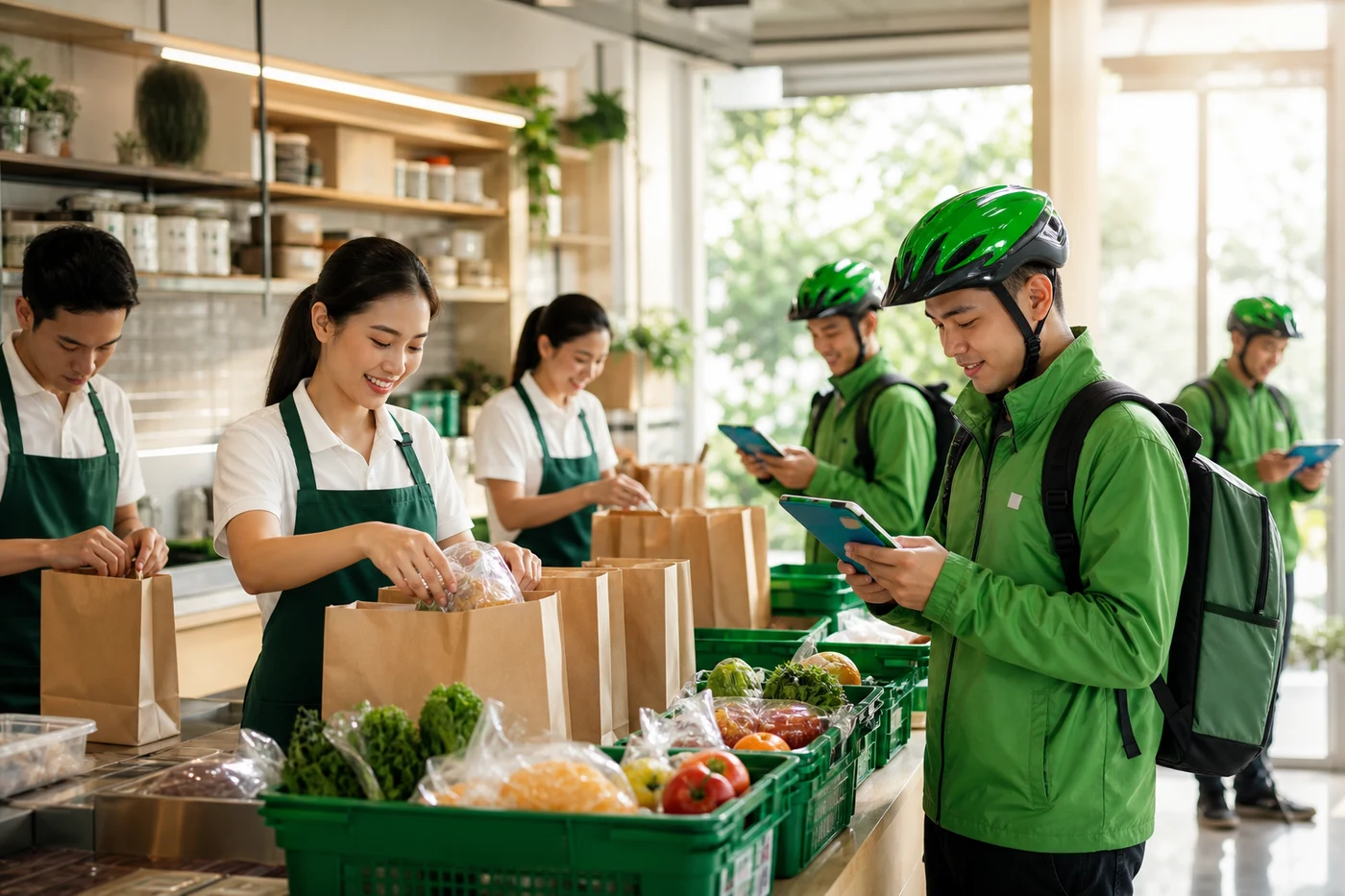
Jumunona is a digital delivery platform designed to connect customers with local merchants and delivery riders through one service. Customers can browse food, grocery and everyday products, place orders and follow fulfilment from confirmation to delivery. Merchants manage catalogues, incoming orders and preparation status, while riders receive delivery assignments and update order progress through a dedicated application. A central operations dashboard gives the business visibility across orders, merchants, riders and service areas. Techanic Infotech structured the platform around the practical needs of a growing delivery operation, where accurate catalogues, fast order handling and clear rider coordination are essential to maintaining dependable service.
Project Idea
The business idea was to create a single digital channel where customers could order everyday products from participating local merchants. The operator wanted to combine customer ordering, merchant fulfilment and rider delivery into one system instead of managing each part through separate tools.
A delivery business can quickly become difficult to coordinate when merchants maintain their own order processes and riders receive jobs through manual communication. Product availability can change during the day, preparation times can shift and riders may become unavailable while orders are waiting. These gaps affect both fulfilment speed and customer confidence.
Techanic Infotech connected customer orders with merchant preparation, rider assignment and delivery status. Shared order information meant merchants could see what needed to be prepared, riders could receive the correct pickup details and customers could follow progress without repeatedly contacting support. The operations team could monitor active orders and intervene when an order required attention.
The product principle focused on simplicity, visibility and operational control. Customers needed a quick route from browsing to checkout, merchants needed clear order information and riders needed focused delivery tasks. The operator needed a reliable overview of the entire order flow so service issues could be identified before they became larger customer problems.
Challenges
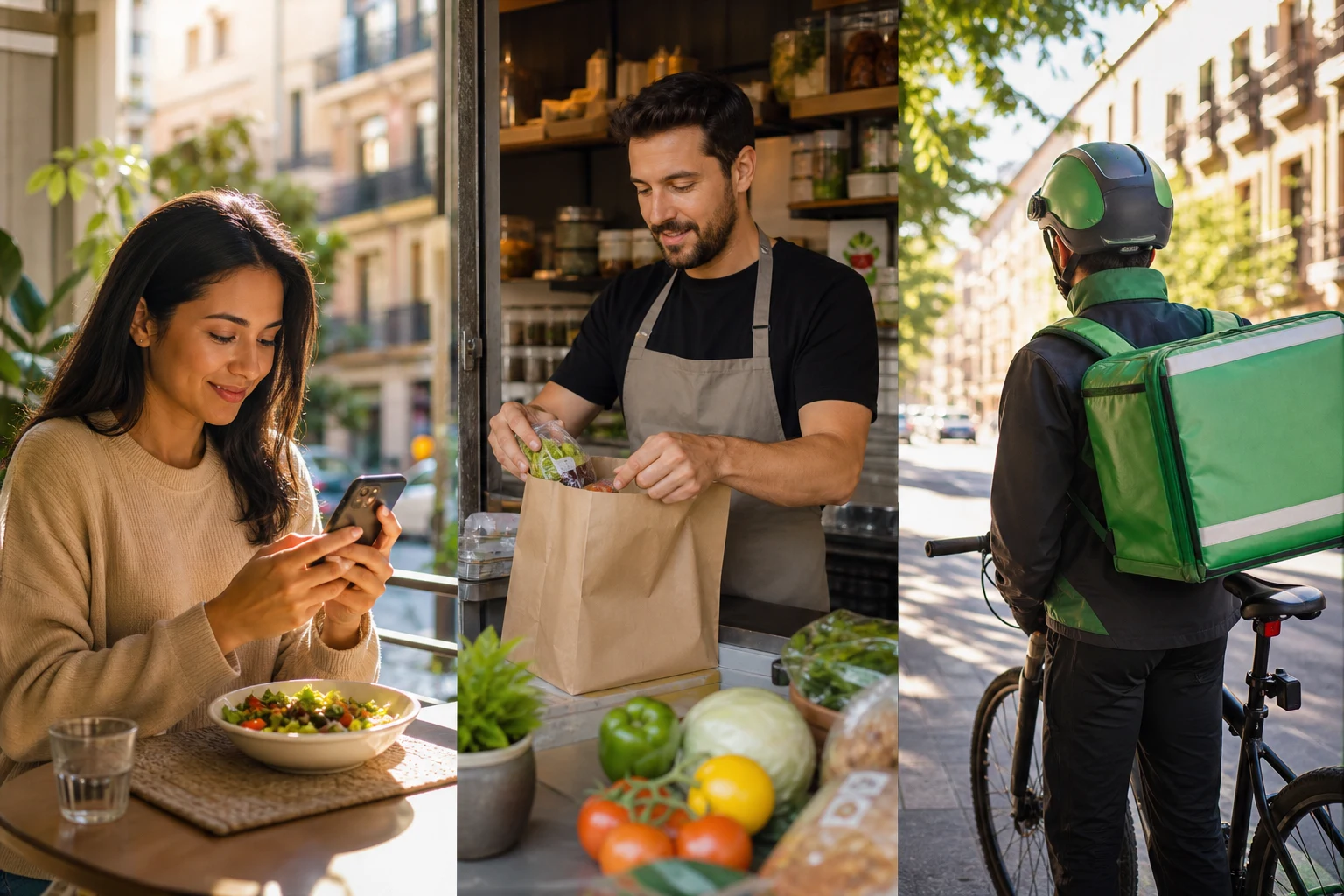
The platform had to support first time customers as well as frequent users who expected a familiar ordering process. New customers needed clear category navigation, merchant information and straightforward checkout, while returning customers wanted saved addresses and previous orders. The interface needed to remain simple even when customers were browsing several product categories and placing orders during busy periods.
Catalogue management was another important challenge because food and grocery products behave differently. Food merchants may need preparation options and item availability, while grocery merchants can have stock changes throughout the day. Product information, pricing and availability therefore needed to remain accurate across customer and merchant views without creating unnecessary catalogue management work.
Order demand could increase sharply around meal periods and weekends, creating pressure across merchants and riders at the same time. Several orders might be waiting for preparation while other riders were already completing deliveries. The platform needed responsive ordering, merchant updates, rider assignment and live tracking so the operations team could manage changing workloads without losing visibility of individual orders.
Project Milestones We Achieved
| Milestone | Tasks | Timeline | Responsible |
|---|---|---|---|
| Project Discovery and Planning | Mapped customer journeys, defined merchant workflows, documented delivery rules, reviewed rider operations and prioritised core launch requirements | Month 1 | Business Analyst and Project Manager |
| UI UX Design | Designed customer ordering flows, merchant screens, rider tasks, tracking views and administration dashboard interactions | Month 2 | UI UX Designer and Product Designer |
| Core Development | Built mobile applications, backend services, product catalogues, order management, rider assignment and administration features | Month 3 to 4 | Flutter Developer and Backend Developer |
| Integrations and Testing | Connected maps, notifications, payment services and cloud infrastructure, then tested ordering, dispatch and tracking workflows | Month 5 | QA Engineer and DevOps Engineer |
| Launch and Optimization | Prepared production release, supported merchant onboarding, monitored order behaviour and refined delivery and fulfilment workflows | Month 6 | Project Manager and DevOps Engineer |
Project Features
The platform was designed around the complete delivery journey, from discovering a merchant to receiving an order. Customer, merchant, rider and operations interfaces share relevant order information, helping each participant understand the next action without relying on disconnected communication.
Customer Signup and Profile
Customers can create accounts, manage contact information, save delivery addresses and maintain preferences for a faster ordering experience.
Food Grocery and Retail Ordering
Customers can browse participating merchants, select products, manage baskets and place food, grocery and retail orders through one ordering flow.
Live Order Tracking
Customers can follow order progress and rider movement in real time, with status updates covering preparation, pickup, delivery and completion.
Rider Assignment
The platform supports rider dispatch using availability, location and active delivery information so orders can be directed to suitable riders.
Merchant Dashboard
Merchants can manage catalogues, product availability, incoming orders and preparation status through a dedicated dashboard built for daily fulfilment tasks.
Saved Orders and Reordering
Customers can review previous orders and repeat familiar purchases using stored order information, reducing the steps needed for routine deliveries.
Results
Techanic Infotech delivered Jumunona as a connected delivery platform covering customer ordering, merchant fulfilment, rider operations and central administration. The launch created one digital flow for browsing, ordering, preparation, dispatch and delivery across supported service categories.
The operator gained one operational dashboard and a shared rider network for managing active delivery activity. Teams could monitor order status, merchant progress and rider availability from one place, making it easier to identify delayed orders and coordinate fulfilment when demand changed.
Customers received a clearer ordering journey with organised merchant discovery, checkout and live order tracking. Merchants gained better visibility into incoming orders and preparation status, while riders received structured delivery tasks with the information needed for pickup and completion.
Jumunona also provides a foundation for measured expansion. The operator can add merchants, products, delivery areas and additional service categories within the existing platform structure, allowing the operation to grow without rebuilding the core customer, merchant and rider workflows.

Development Process
Explore
- Customer ordering behaviour
- Merchant fulfilment needs
- Rider workflow analysis
- Customer journey mapping
- Order flow planning
- Dispatch process structure
Implement
- Clear merchant browsing
- Fast checkout screens
- Visible order status
- Delivery backend services
- Mobile application builds
- Operations dashboard
Execute
- Order scenario testing
- Catalogue validation
- Dispatch workflow checks
- Production readiness checks
- Merchant onboarding support
- Delivery activity monitoring
Typography & colors
Poppins
ABCDEFGHIJKLMNOPQRSTUVWXYZ
abcdefghijklmnopqrstuvwxyz
1234567890
Primary
#16A34A
Secondary
#4ADE80
Tertiary Color
#DCFCE7
Icons Color
#14532D
Text Color
#ffffff
Background Color
#ffffff
App Visuals
Somoni Kitchen
Food · Preparing · 22 minPickup
Farid assignedStay up to date with Jumunona alerts
Jumunona
Food, grocery and shops nearby
You are almost there
Tech Stack
The technology stack was selected to support high traffic product search, fast order processing, rider dispatch, live tracking and a consistent mobile and web experience. Flutter powered the mobile applications, NestJS handled backend services, MongoDB supported catalogue and order data, Redis helped with frequently accessed delivery information, and AWS provided the cloud infrastructure for deployment and scaling.
- Flutter
- NestJS
- MongoDB
- Redis
- AWS
Have an Idea for a Scalable Platform?
Techanic Infotech can build delivery products around customers, merchants, riders and the operational workflows behind them.
Talk to Our Experts